








 FR
FR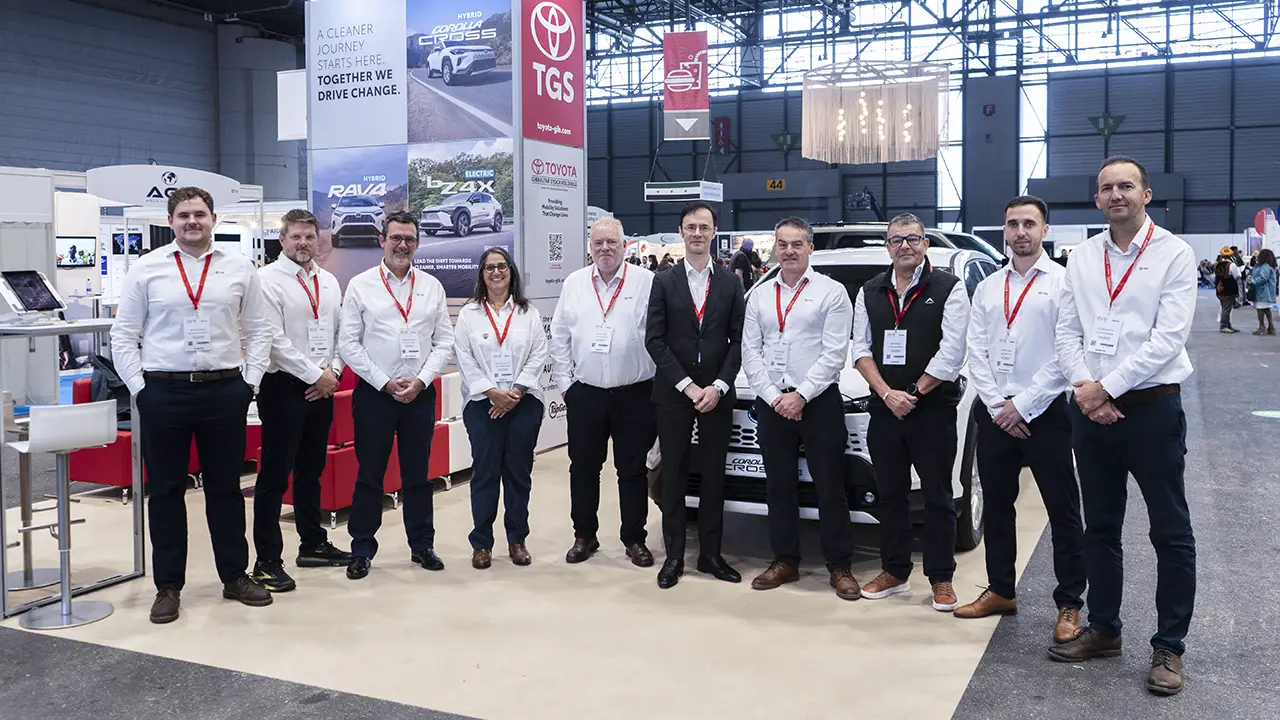
AidEx Geneva 2025 Recap
February 2025

November was a dynamic month for our advanced driving and safety programmes, with multiple training sessions taking place across three countries. These initiatives underscore our commitment to enhancing road safety and operational readiness for humanitarian and development organisations worldwide.
Burundi – Advanced Safe Driving & Armoured Vehicle Training
The Burundi training focused on Advanced Safe Driving Techniques (ASDT) and Qualified Driver Training (QDT), including armoured vehicle operations. Two armoured vehicles were provided, but they brought unexpected challenges that turned into valuable learning experiences.
Anecdote:
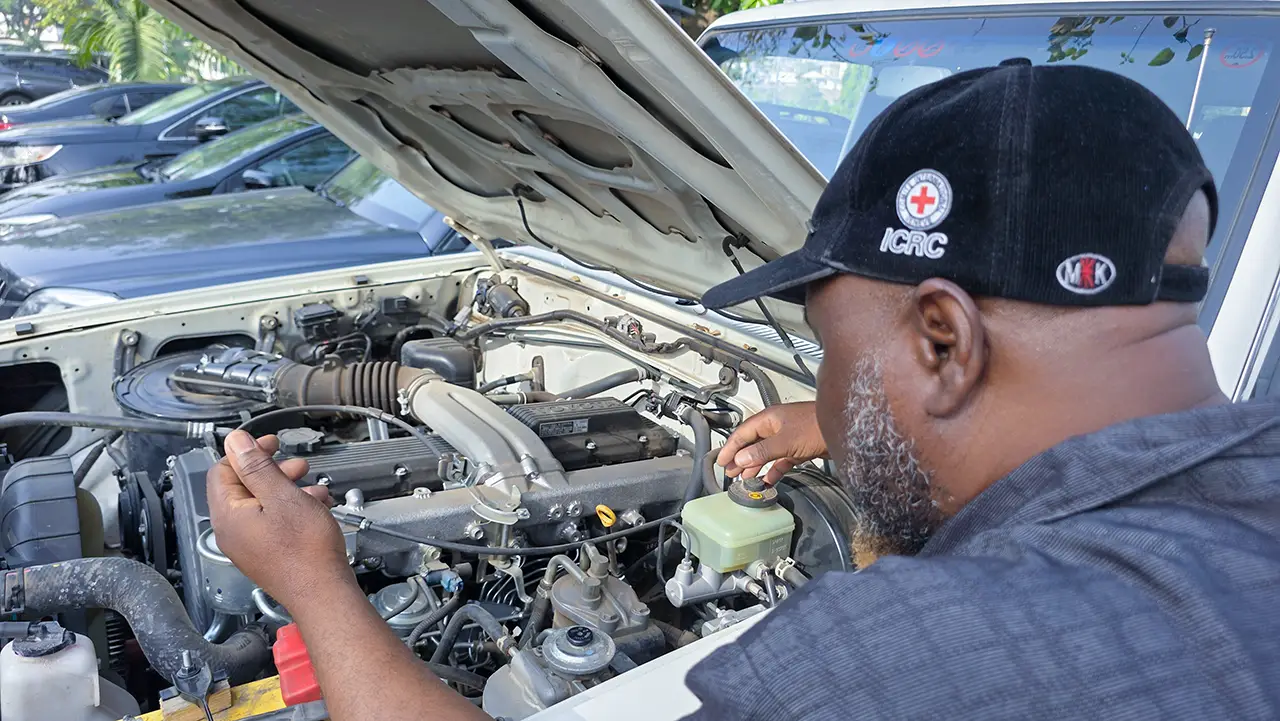
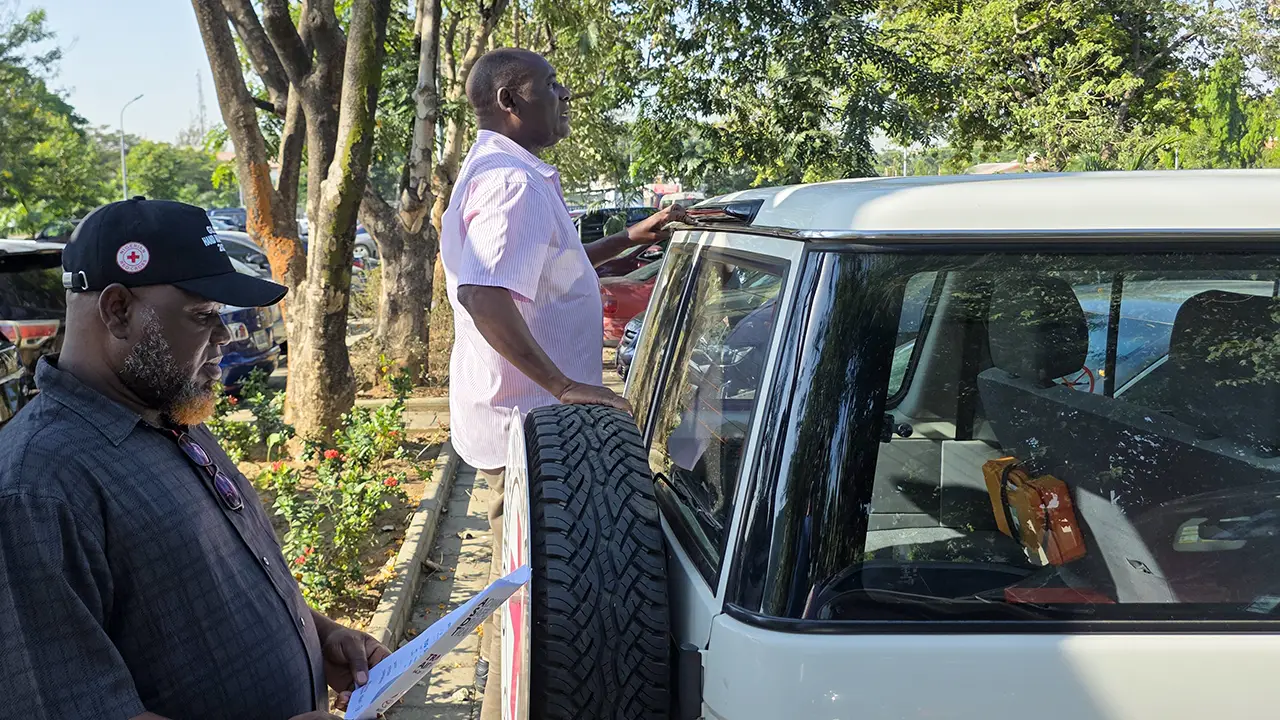
One vehicle arrived with five wheels sporting five different tyre pressures, mismatched front wheels, and a hub lock split between LOCK and AUTO. Starting it required towing! Another vehicle was missing fire extinguisher, had a cracked windshield, and a rear trunk that needed two people to hold open.
Despite these hurdles, participants demonstrated adaptability and professionalism, proving that advanced training is not just about mastering techniques—it's about overcoming real-world challenges.
Trainer's Insight:
"Advanced armoured vehicle training is not just a programme… It's a survival test against the vehicles themselves."
Driving Safety in Challenging Conditions: Lessons from Abuja's CAV QDT Programme
From 17–27 November, UNHCR, UNICEF and ICRC participants completed Civilian Armoured Vehicle Qualifying Driver Training (CAV QDT) in Abuja. The course combined road and track sessions, tackling local challenges such as poor vehicle roadworthiness and unpredictable driving behaviour.

Key Takeaways:
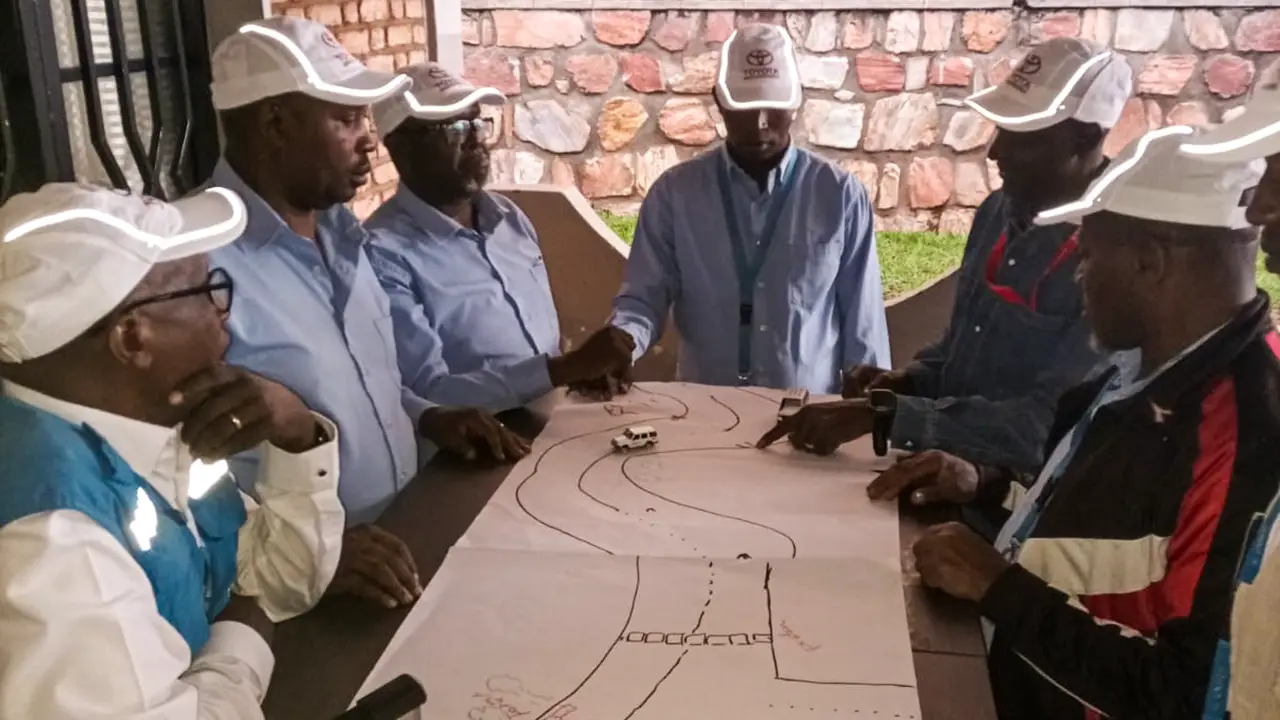
A breakthrough moment came when participants experienced the stark difference between smooth and abrupt manoeuvres, transforming their approach to vehicle handling.
Trainer Insights
On Roadcraft: Applying Roadcraft principles — calmness, composure and anticipation — was essential for safety and control. The group's steady progress reflected the value of these fundamentals in high-risk operating contexts.
A Turning Point on the Roads of Abuja:
One participant initially questioned the need for anticipation and positioning. On day four, during a one-on-one coaching session, we approached a ramp with limited visibility. As I advised, "Position for safety and view…", a car suddenly appeared from the wrong side of the road. His reaction said it all — the concept clicked instantly. From that moment, he became fully engaged, asking questions and improving with every drive. By the end of the course, he was driving with safety, efficiency and precision. Watching that transformation — and seeing every participant pass their practical tests — is what makes this work so rewarding.
Thailand – Advanced Safe Driving Techniques
Driving Skills Development in Thailand: A Week of Growth and Adaptation
From 10–14 November, the ASDT training programme in Thailand brought together participants from diverse regions, including representatives from the IMF and ICRC. This session focused on Advanced Safe Driving Techniques (ASDT), equipping participants with advanced manoeuvring and safety strategies designed to enhance confidence and control in challenging environments.

Adapting to New Challenges
The group consisted of participants from a variety of countries, many of whom were unfamiliar with Thailand's well-constructed and well-marked road network. Thai roads offered strong aids to observation, helping participants quickly recognise the value of early planning and clear positioning.
A common challenge was adapting to higher-speed roads and motorway conditions, as several participants come from regions without this type of infrastructure. Despite these hurdles, the group adapted well to the Thai environment and made steady progress throughout the week.
A Standout Transformation
One of the most remarkable success stories came from a participant from Sri Lanka, highlighted by Dimitri from ICRC. Starting the week as a nervous and unsafe driver, this individual demonstrated exceptional progress—finishing the course with confidence and consistency. This transformation underscored the value of structured training and supportive coaching.
Trainer's Perspective
The varied backgrounds of participants meant each brought different habits and levels of exposure to structured driving systems. By the end of the week, all participants were demonstrating better control, planning, and confidence. Support from ICRC was excellent, with access to their compound and vehicles helping the programme run smoothly.
Participant Feedback
The impact of the training was clear from the feedback received:
Key Takeaway: This training not only improved technical driving skills but also fostered resilience and adaptability among participants. It's a testament to how structured learning environments can empower individuals to overcome challenges and achieve significant growth.
What's Next?
November's sessions showcased not only technical expertise but also resilience and adaptability—qualities that define safe driving in challenging contexts. Stay tuned for more updates as we continue to drive excellence worldwide.